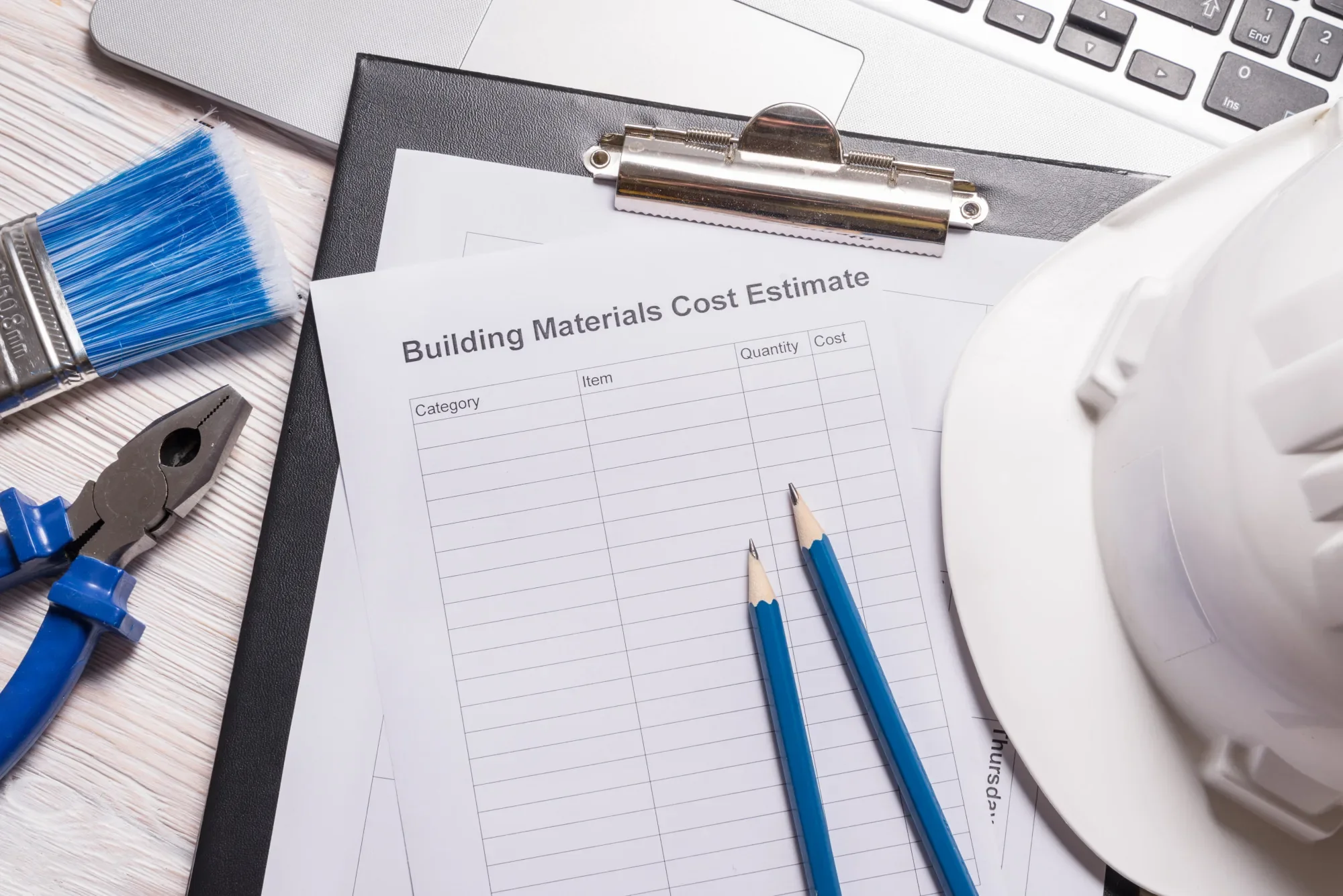
What a written bid should actually contain, and what it means when it doesn't
A number on a page tells you what somebody thinks the job is worth. It doesn't tell you what the job is.
That's the whole problem with comparing bids. Two contractors can look at the same kitchen and write down two very different prices, and often enough they're pricing two different jobs: one includes the haul-off and the permit and names the tile, and the other is a figure on a business card. Until both pieces of paper describe the same work, you're comparing guesses.
What the advice agrees on
The guidance homeowners get on what goes in a bid is consistent. The Texas Attorney General tells you to get bids from more than one contractor, in writing, describing exactly what will be done, down to the grade or thickness of the materials where that matters, with every promise written in and start and finish dates spelled out. The Federal Trade Commission's advice on hiring a contractor says the same, and adds two things worth hearing: ask why the prices differ, and don't automatically take the lowest one.
Neither one says a long proposal is a good one. Length isn't what protects you; a document that answers the questions that turn into arguments later does.
The items worth having on paper
Here's what a written bid should spell out, and why each one is there. "Not included" and "owner's responsibility" are perfectly good answers to any of these. The point is that the answer is written down.
- The work itself, described well enough that somebody else could price it. What's being removed, what's going in, and what's not part of the job. A reasonable test: could you hand this page to a second contractor and get a price for the same thing?
- The materials, by brand, model, color or grade. "New vanity" can mean almost anything. Where you haven't chosen yet, the bid should say it's an allowance, a placeholder amount for you to choose against, so the difference later doesn't surprise you. There's more on allowances, and a line-by-line list for one room, in what is actually included in a bathroom remodel.
- Permits: who pulls them and who pays for them. This is less obvious than it sounds: the sample remodeling contract published by the National Association of Home Builders puts them on the homeowner, not the contractor. So yours needs to say which.
- Cleanup and haul-off. Whether debris leaves every day, at the end, or not at all.
- A start date and an expected finish, and what the finish date assumes: materials on site, the permit issued, nothing found behind the walls.
- The payment schedule. How much is due and when, and what each payment is tied to.
- How changes get approved. Who signs off on a change, how it gets priced, and how it gets recorded.
- The warranty. What it covers, for how long, what it excludes, and who stands behind it.
- Who's doing which parts. If subcontractors will be on the job, and for any electrical, plumbing or HVAC work, who holds the license for it.
Three things people believe about Texas contracts that aren't true
"I always get three days to cancel." Not always. Texas law and a federal rule both give you a three-day right to cancel certain sales, mainly ones where a seller solicits you at your home rather than at their place of business, and there are separate rules for some loans on a homestead. Whether yours has one depends on where and how you signed. If being able to back out matters to you, ask before you sign, and get the answer in writing.
"Texas caps how much a contractor can take up front." For an ordinary remodel, it doesn't. There's no general percentage limit in Texas law. The Attorney General's own advice is that in most cases you should expect to pay part of the cost before work starts, and it warns specifically about door-to-door scammers who ask for the whole amount up front and then disappear. So a deposit isn't a red flag in itself. The bid should say how much the deposit is, what it covers, and when the rest is due.
"If I didn't sign the change, I don't owe for it." That one went to the Texas Supreme Court. A homeowner had an initial estimate for a project that then grew to include a guest house, custom windows, pool work, fencing and taller kitchen cabinets. The revised estimate was more than double the first one, and nobody claimed she'd signed it. She said she never approved the additions, but she'd seen the revised estimate and knew the work was being built. When she stopped paying the invoices, the contractor sued her for the money and for fraud. The jury sided with the contractor on both, and the Texas Supreme Court upheld that verdict, lowering only the extra damages the jury had added as a penalty. An unsigned change is not a free change. The cheap protection, for both sides, is to put every change in writing before the work happens: what's added or removed, what it costs, and how many days it adds.
What it means when a bid comes back thin
Usually it means the contractor hasn't written down yet what the job includes. A short bid isn't proof that anyone is cutting corners. Plenty of good tradespeople write a number first and the details only when you ask.
So ask. Go down the list above with the bid in your hand and mark what's missing. Then ask for those answers in writing, from every contractor you're considering. Most contractors who know the job can write it down quickly, and once all of them have, you're comparing the same job.
And keep your own record once the job starts: the changes, the messages, the invoices, a few photos. In one Maryland home-improvement decision, a homeowner's cleanup claim failed even though his contract required cleanup, because his photos and receipt showed the junk but not that the contractor left it.
Working with Awesome Renovations
A lot of remodeling companies only want the big whole-house jobs and won't take on a single room. I'm Jorge Ventura, and I take both. Awesome Renovations is four people, and I'm one of them, on site. And if I tell you that I will do something, I'll do it. The rooms my crew has finished are here.
Tell me about the job. I'll come and look at it, and I'll tell you what I'd do.
Get Started
For remodeling and repairs in Fort Worth, visit ttscontractors.com/pros/awesome-renovations/
Awesome Renovations 6001 E. Lancaster Ave Fort Worth, TX 76112
